

If your windows are getting steamy or your window ledges are wet then there’s too much moisture in the air. Here are some tips to help you prevent condensation and mould in your home:
step 1
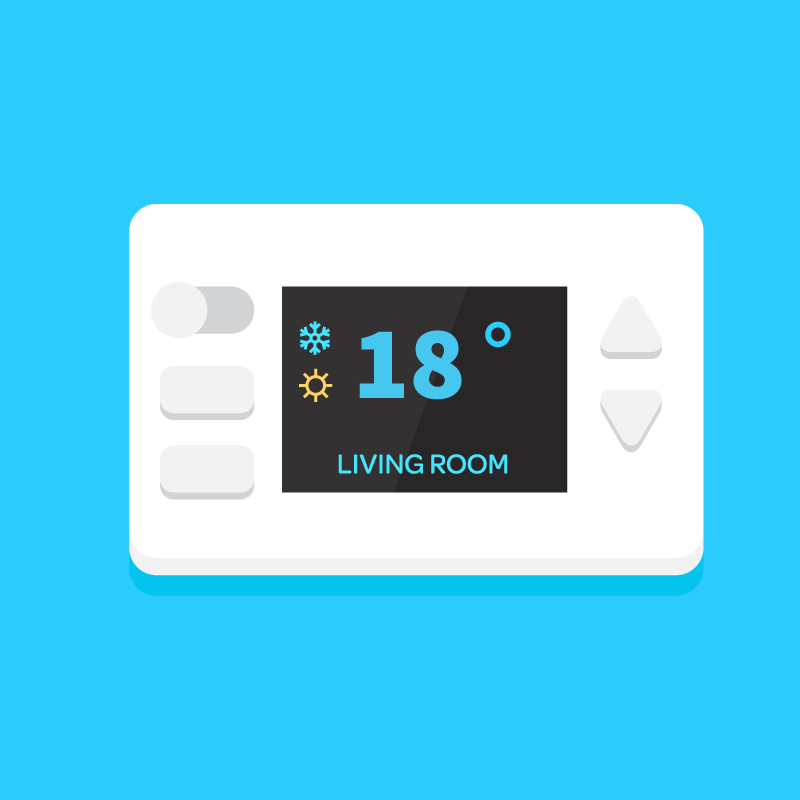
temperature
Set your heating to come on for a longer period but at a lower temperature; spikes in temperature from very warm to very cold create the perfect conditions for condensation to form.

step 2
ventilation
Make sure you always have your extractor fans on when you’re in the shower or bath, or when you’re cooking, and keep the kitchen or bathroom doors closed too.

step 3
remove excess water
Wipe water away from windows to avoid mould.

step 4
air rooms
Open windows when you can to let fresh air in and moist air out - especially first thing in the morning.

step 5
dry washing
Dry your clothes outside, if you can - if that’s not an option then think about drying them in the bathroom or kitchen, keep the extractor on, a window open and the doors closed.

step 6
allow air space around furniture
Make sure your furniture is away from radiators and external walls as this stops air moving around your home.

step 7
put lids on pans
Keep lids on your pans when you’re cooking to stop steam escaping.

step 8
tumble drying
If you have a tumble dryer, make sure it’s ventilated outside.
step 9
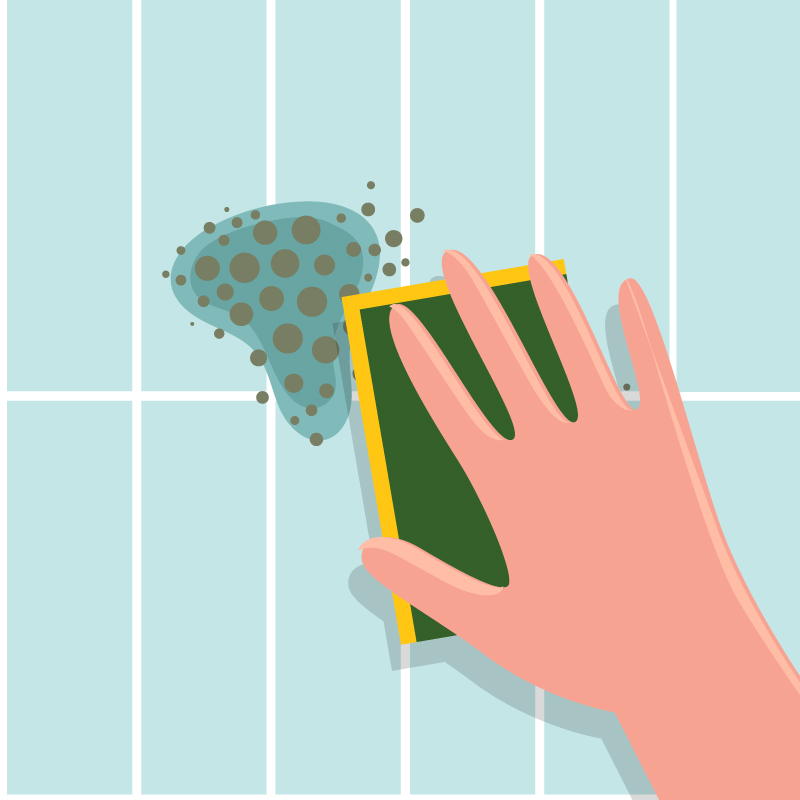
clean away mould
If you do get mould, use a mould cleaning product to remove it.
Other things to consider:
More information can be found in our leaflet.
If you’re already following our guidelines and can see a ‘tidemark’ in the area, you may have a damp problem. This can be caused by things like:
If you think you have a damp problem, please contact us so we can book a damp inspection.
John Harris, Launceston tenant and Chair of the Tenant’s Forum providing his ‘top-tips’ on preventing condensation during the winter months.
Further information is available in the Tenant Handbook
Email: info@cornwallhousing.org.uk
Telephone: 0300 1234 161